










Description
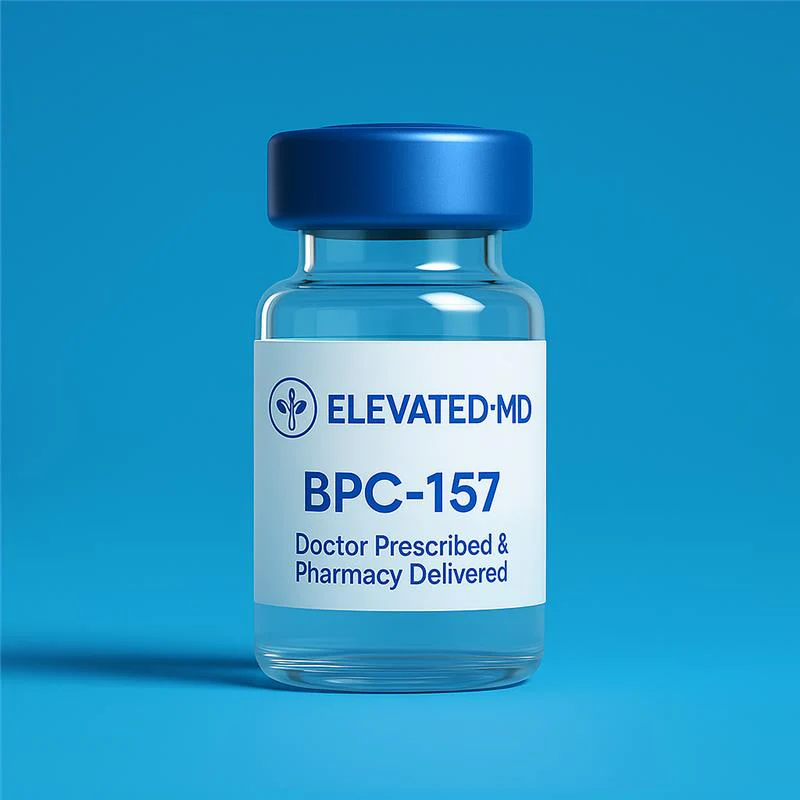
BPC‑157 has quickly become one of the most popular peptides for injury recovery, gut healing, and inflammation control. Originally derived from a protein found in the stomach lining, BPC‑157 shows promising effects on everything from tendon repair to intestinal regeneration — and its use is rapidly expanding in the performance, biohacking, and longevity communities.
But as demand grows, so do the options. Today, BPC‑157 is available in multiple forms, including:
-
Injectable powders
-
Oral liquid solutions
-
Capsule-based supplements
What Is BPC-157?
Key Characteristics of BPC-157
- → Peptide Structure: A short chain of amino acids (pentadecapeptide) designed to mimic and amplify the biological activity of the natural protein it’s derived from.
- → Biological Role: Primarily studied for its role in healing and regeneration, especially in tissues like muscles, tendons, and the gastrointestinal tract.
- → Mechanism of Action: Research suggests it promotes angiogenesis (new blood vessel formation), collagen synthesis, and cellular signaling pathways that accelerate recovery.
- → Stability: Unlike many peptides that break down quickly, BPC-157 is notable for its stability in human gastric juice, meaning it may be effective orally as well as through injection.
Why It’s Popular
BPC-157 has been explored for its potential benefits in:
→ Tendon and ligament repair – speeding up healing times after injury.
→ Muscle recovery – reducing downtime and soreness after training or damage.
→ Joint health – improving collagen turnover and connective tissue strength.
→ Gut protection – reducing inflammation and supporting healing of ulcers or intestinal injury.
Although promising, most of the published studies have been in animal models rather than large-scale human clinical trials. This means its effects are intriguing but still require more scientific validation before being fully accepted in medical practice.
How BPC-157 Works
BPC-157 promotes healing by influencing several key biological pathways involved in tissue repair, inflammation control, and cellular regeneration. Unlike compounds that work through hormonal manipulation, BPC-157 acts more directly at the site of damage, stimulating your body’s own healing mechanisms.
1. Growth Factor Signaling
BPC-157 enhances the activity of multiple growth factors, including VEGF (vascular endothelial growth factor), TGF-β (transforming growth factor beta), and FGF (fibroblast growth factor). These are crucial for angiogenesis, collagen production, and fibroblast migration—all essential steps in soft tissue healing.
2. Nitric Oxide and Blood Flow Modulation
The peptide also improves endothelial function by regulating nitric oxide (NO) activity. This enhances local circulation and reduces oxidative stress, both of which support faster healing and reduce inflammation.
3. Tendon and Ligament Regeneration
Preclinical research has shown BPC-157 accelerates tendon-to-bone healing and increases the organization of collagen fibers. It promotes the outgrowth of fibroblasts and tenocytes, helping repair tendons and ligaments with greater structural integrity.
4. Neuroprotective and Gut-Regenerative Effects
Originally studied for gastrointestinal repair, BPC-157 remains effective in healing intestinal epithelium, reducing ulcer formation, and supporting gut barrier function. Some studies also suggest it may promote nerve regeneration and protect against brain injury by modulating dopamine and serotonin pathways.
In short, BPC-157 supports healing from the inside out, making it ideal for beginners dealing with tendonitis, joint strain, overuse injuries, or digestive dysfunction from stress or medications.
Form Comparison Overview: BPC‑157 Injectable vs Oral vs Capsules
Before diving into each form in detail, here’s a side-by-side comparison of the most common delivery methods for BPC‑157. This table outlines their typical use cases, advantages, drawbacks, and bioavailability.
| Form | Best For | Pros | Cons | Bioavailability |
|---|---|---|---|---|
| Injectable | Soft tissue injury, tendon/ligament repair | Highest efficacy, targeted delivery, systemic effect | Requires reconstitution, injections, more expensive | ★★★★★ (Excellent) |
| Oral (Liquid) | Gut inflammation, ulcers, leaky gut | Easy to use, sublingual option, good for GI tract | Lower systemic bioavailability, inconsistent absorption | ★★☆☆☆ (Moderate–Low) |
| Capsule/Pill | Convenience, general wellness | No injection, portable, easy for daily use | Weak bioavailability, may not survive digestion | ★☆☆☆☆ (Low) |
Injectable Form Of BPC‑157
Injectable BPC‑157 is the gold standard for serious users seeking maximum therapeutic effect. This form is used in most animal studies and preclinical trials and is favored by clinicians and experienced biohackers for its high bioavailability, systemic distribution, and targeted healing capacity.
How It’s Administered
-
Subcutaneous (SubQ): Injected into belly fat or a fatty tissue area for systemic distribution
-
Intramuscular (IM): Injected directly into or near an injured muscle or tendon for localized healing
-
Dosage: Typically 250–500 mcg daily, often split into two doses depending on severity
Injectable BPC‑157 is typically sold as a lyophilized powder, reconstituted with bacteriostatic water and drawn into an insulin syringe for injection.
Pros
-
Highest bioavailability of all forms
-
Direct action on injured or inflamed tissues
-
Proven effectiveness in animal and veterinary studies
-
Flexible dosing and stacking with other peptides (e.g., TB‑500)
Cons
-
Requires injections (daily or every other day)
-
Must be mixed and stored properly (cold chain sensitive)
-
Higher cost compared to capsules or oral sprays
-
May require sterile technique and user experience
Best For
-
Athletes and bodybuilders recovering from joint, tendon, or muscle injuries
-
Post-surgical healing and performance-focused rehab
-
Users stacking with TB‑500 or HGH
For full cycle and dosing strategies, refer to:
BPC‑157 Cycle Guide
Key Characteristics of BPC-157
- → Peptide Structure: A short chain of amino acids (pentadecapeptide) designed to mimic and amplify the biological activity of the natural protein it’s derived from.
- → Biological Role: Primarily studied for its role in healing and regeneration, especially in tissues like muscles, tendons, and the gastrointestinal tract.
- → Mechanism of Action: Research suggests it promotes angiogenesis (new blood vessel formation), collagen synthesis, and cellular signaling pathways that accelerate recovery.
- → Stability: Unlike many peptides that break down quickly, BPC-157 is notable for its stability in human gastric juice, meaning it may be effective orally as well as through injection.
Why It’s Popular
BPC-157 has been explored for its potential benefits in:
→ Tendon and ligament repair – speeding up healing times after injury.
→ Muscle recovery – reducing downtime and soreness after training or damage.
→ Joint health – improving collagen turnover and connective tissue strength.
→ Gut protection – reducing inflammation and supporting healing of ulcers or intestinal injury.
Although promising, most of the published studies have been in animal models rather than large-scale human clinical trials. This means its effects are intriguing but still require more scientific validation before being fully accepted in medical practice.
BPC-157 promotes healing by influencing several key biological pathways involved in tissue repair, inflammation control, and cellular regeneration. Unlike compounds that work through hormonal manipulation, BPC-157 acts more directly at the site of damage, stimulating your body’s own healing mechanisms.
1. Growth Factor Signaling
BPC-157 enhances the activity of multiple growth factors, including VEGF (vascular endothelial growth factor), TGF-β (transforming growth factor beta), and FGF (fibroblast growth factor). These are crucial for angiogenesis, collagen production, and fibroblast migration—all essential steps in soft tissue healing.
2. Nitric Oxide and Blood Flow Modulation
The peptide also improves endothelial function by regulating nitric oxide (NO) activity. This enhances local circulation and reduces oxidative stress, both of which support faster healing and reduce inflammation.
3. Tendon and Ligament Regeneration
Preclinical research has shown BPC-157 accelerates tendon-to-bone healing and increases the organization of collagen fibers. It promotes the outgrowth of fibroblasts and tenocytes, helping repair tendons and ligaments with greater structural integrity.
4. Neuroprotective and Gut-Regenerative Effects
Originally studied for gastrointestinal repair, BPC-157 remains effective in healing intestinal epithelium, reducing ulcer formation, and supporting gut barrier function. Some studies also suggest it may promote nerve regeneration and protect against brain injury by modulating dopamine and serotonin pathways.
In short, BPC-157 supports healing from the inside out, making it ideal for beginners dealing with tendonitis, joint strain, overuse injuries, or digestive dysfunction from stress or medications.
Before diving into each form in detail, here’s a side-by-side comparison of the most common delivery methods for BPC‑157. This table outlines their typical use cases, advantages, drawbacks, and bioavailability.
| Form | Best For | Pros | Cons | Bioavailability |
|---|---|---|---|---|
| Injectable | Soft tissue injury, tendon/ligament repair | Highest efficacy, targeted delivery, systemic effect | Requires reconstitution, injections, more expensive | ★★★★★ (Excellent) |
| Oral (Liquid) | Gut inflammation, ulcers, leaky gut | Easy to use, sublingual option, good for GI tract | Lower systemic bioavailability, inconsistent absorption | ★★☆☆☆ (Moderate–Low) |
| Capsule/Pill | Convenience, general wellness | No injection, portable, easy for daily use | Weak bioavailability, may not survive digestion | ★☆☆☆☆ (Low) |
Injectable BPC‑157 is the gold standard for serious users seeking maximum therapeutic effect. This form is used in most animal studies and preclinical trials and is favored by clinicians and experienced biohackers for its high bioavailability, systemic distribution, and targeted healing capacity.
How It’s Administered
-
Subcutaneous (SubQ): Injected into belly fat or a fatty tissue area for systemic distribution
-
Intramuscular (IM): Injected directly into or near an injured muscle or tendon for localized healing
-
Dosage: Typically 250–500 mcg daily, often split into two doses depending on severity
Injectable BPC‑157 is typically sold as a lyophilized powder, reconstituted with bacteriostatic water and drawn into an insulin syringe for injection.
Pros
-
Highest bioavailability of all forms
-
Direct action on injured or inflamed tissues
-
Proven effectiveness in animal and veterinary studies
-
Flexible dosing and stacking with other peptides (e.g., TB‑500)
Cons
-
Requires injections (daily or every other day)
-
Must be mixed and stored properly (cold chain sensitive)
-
Higher cost compared to capsules or oral sprays
-
May require sterile technique and user experience
Best For
-
Athletes and bodybuilders recovering from joint, tendon, or muscle injuries
-
Post-surgical healing and performance-focused rehab
-
Users stacking with TB‑500 or HGH
For full cycle and dosing strategies, refer to:
BPC‑157 Cycle Guide