
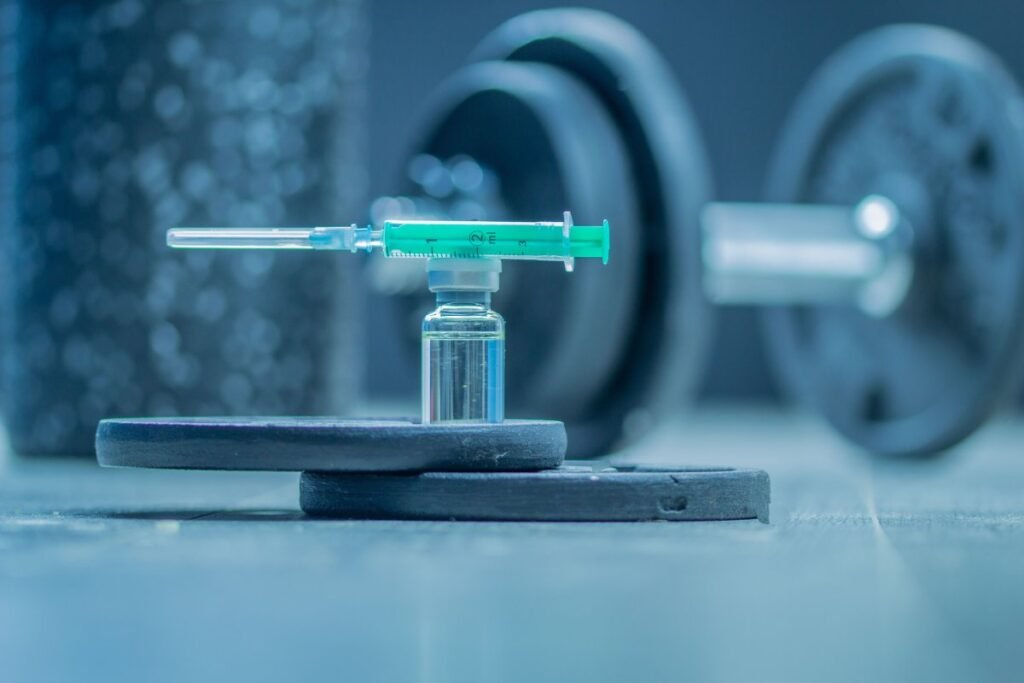
Peptides Are Everywhere — But What Are They, Really?
Peptides are suddenly everywhere. From fitness influencers claiming faster recovery and muscle growth to celebrities revealing their secret injectable “stacks,” they’ve become one of the biggest trends in wellness.
But a very fair question still stands: what exactly is a peptide?
And beyond that — are they actually safe? Do they even work? The answers aren’t so simple.
What Are Peptides?
At their core, peptides are short chains of amino acids — the basic building blocks your body uses to function.
Your body naturally produces thousands of different peptides, each with a specific role. Some help regulate blood pressure, others guide your immune system, and some influence stress and recovery.
The current buzz, however, is around lab-made injectable peptides. These are designed to mimic natural peptides but are often modified to last longer or produce stronger effects.
The Rise of Injectable Peptides
Some peptide-based medications are well-established and widely trusted.
For example:
- Insulin for blood sugar control
- GLP-1 medications like Ozempic and Zepbound for diabetes and weight management
These are FDA-approved and backed by years of research.
But outside of these, things get murkier.
There’s a growing market of:
- Compounded versions of approved drugs (less regulated)
- Experimental peptides that haven’t been properly tested in humans
These include:
- BPC-157 + TB-500 (“Wolverine stack”) for recovery
- CJC-1295 & Ipamorelin for muscle growth and fat loss
- Melanotan II for tanning
- GHK-Cu (copper peptides) for skin and hair benefits
These are gaining popularity — but not necessarily scientific validation.
What Is a “Peptide Stack”?
In biohacking and bodybuilding circles, a “stack” means combining multiple compounds to enhance results.
The idea sounds appealing — different peptides working together for better outcomes.
The problem?
There’s little to no scientific evidence proving this works.
Even more concerning: stacking increases risk. When you take multiple peptides, it becomes nearly impossible to know:
- What’s actually working
- What’s causing side effects
- Whether it’s safe at all
Do Peptides Actually Work?
It depends on which ones you’re talking about.
Well-researched peptides like GLP-1 medications are highly effective. They regulate appetite, blood sugar, and metabolism — which can significantly impact overall health.
But many trending peptides don’t have the same level of evidence.
Not all peptides are created equal — even if they’re marketed that way.
Why Are People Using Them?
People are turning to peptides for a variety of reasons:
- Anti-aging benefits
- Faster workout recovery
- Reduced inflammation
- Better metabolism
- General “feel better” effects
The term “peptide” has almost become synonymous with healthy — but that’s not always accurate.
The Risks You Should Know
The biggest concern with many popular peptides is lack of regulation and research.
Potential risks include:
- Unknown side effects
- Contamination or incorrect dosing
- Hormonal imbalances
- Possible links to cancer growth (in some experimental peptides)
- Strain on organs like the heart
When products aren’t properly tested, there’s no guarantee you’re even getting what’s on the label.
How Are People Getting These Peptides?
Many unapproved peptides are sold online or through wellness clinics labeled as:
“For research use only” or “Not for human consumption.”
This creates a legal gray area.
While these labels protect sellers, consumers often still use them — essentially experimenting on themselves.